Electrical Safety Inspections in Brisbane
Speak to an Electrician Today
Thank you for contacting OHMY Electrical Contractors.
We will get back to you as soon as possible.
Oops, there was an error sending your message.
Please try again later.
We answer. We show up. We get it sorted.
Know What Condition Your Wiring’s In
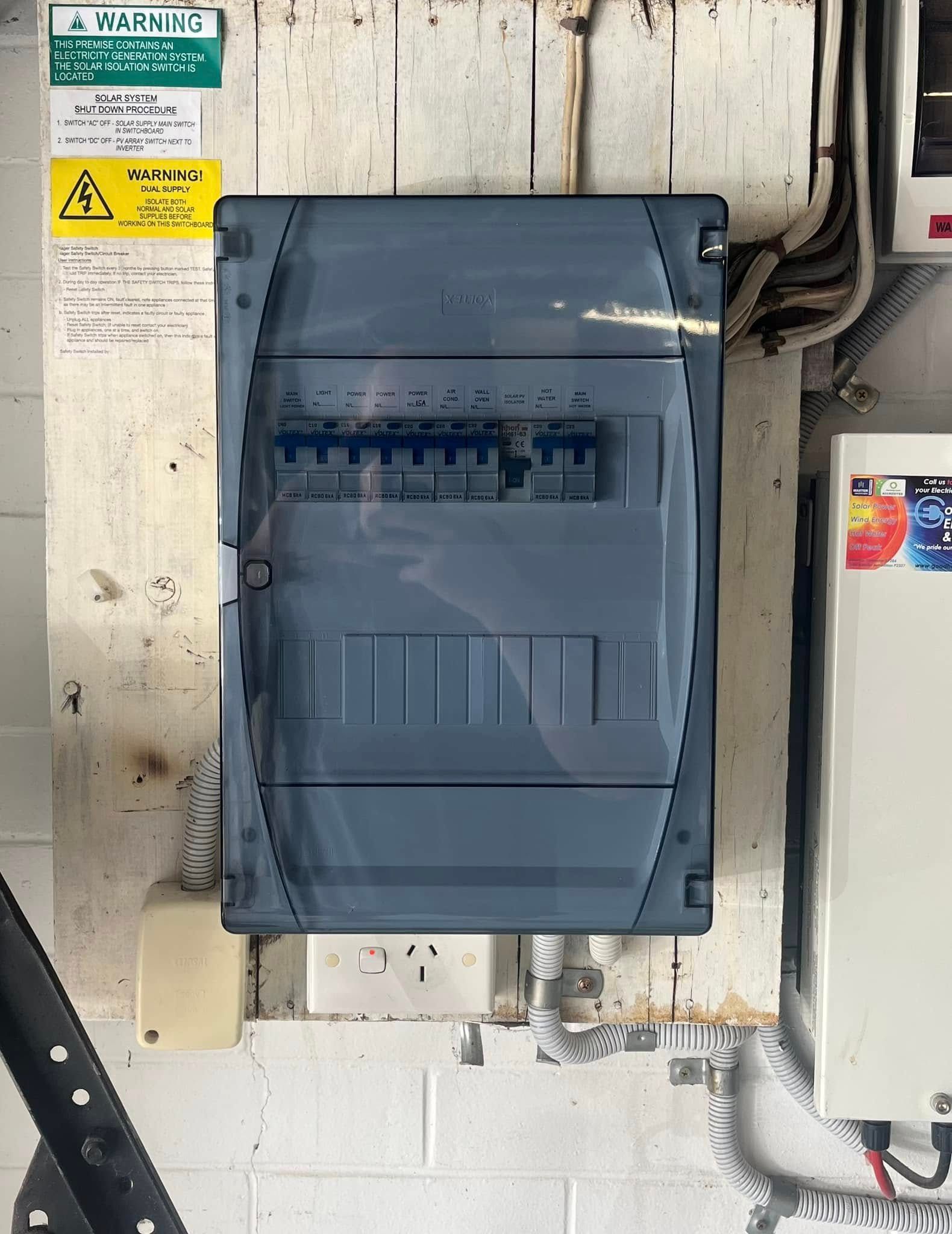
A property can look fine on the surface while things behind the walls are starting to wear out. Connections loosen over time, circuits get pushed harder than they were designed for, and older components don’t always keep up with how power is used now.
An electrical safety inspection is about checking what you can’t see. Not just whether things are working, but whether they’re still holding up under normal use.
At OHMY Electrical Contractors, we carry out inspections across Brisbane to get a clear picture of how the system is performing. If something’s starting to fall behind, it’s picked up before it turns into a fault.
Call 0434 095 354 to organise an inspection with our qualified electricians.
Frequently Asked Questions
What does an electrical safety inspection actually check?
It looks at how the system is performing as a whole, not just individual parts. That includes switchboards, wiring, circuits and connections. The aim is to find anything that’s wearing out, overloaded or no longer suited to how the property is being used.
Is an inspection worth it if nothing seems wrong?
Yes, because most issues don’t show obvious signs early on. Things like loose connections or overloaded circuits can sit unnoticed until they cause a fault. An inspection helps catch those problems before they turn into outages or safety risks.
Who should get an electrical safety inspection?
Homeowners, landlords and businesses can all benefit, especially if the property is older or has had changes over time. It’s also useful before buying, selling or leasing to understand the condition of the electrical system.
It’s Not Always The Obvious Stuff
The things that cause problems later are usually the ones that go unnoticed. A circuit that’s slightly overloaded. A connection that’s not as tight as it should be. A board that’s still working, but not offering much protection. These aren’t issues you’d spot just walking past a switchboard.
That’s why inspections focus on how everything is behaving under normal conditions, not just whether it turns on. Once that’s understood, it’s easier to deal with anything that needs attention before it becomes urgent.


