
Security Camera Installation in Brisbane
Speak to an Electrician Today
Thank you for contacting OHMY Electrical Contractors.
We will get back to you as soon as possible.
Oops, there was an error sending your message.
Please try again later.
We answer. We show up. We get it sorted.
Helping You Feel Secure
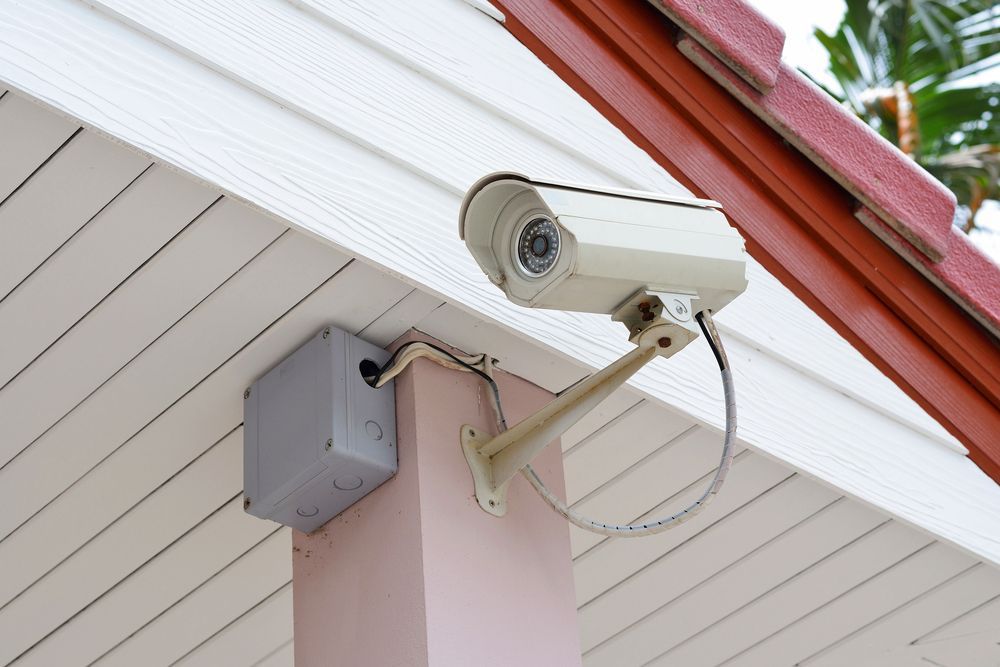
Security cameras aren’t just about recording footage – they’re about knowing what’s going on without having to second guess it. Whether it’s your home or a business, having visibility makes a difference, especially after hours or when you’re not there.
At OHMY Electrical Contractors, we install security camera systems across Brisbane with a focus on coverage and usability. That means placing cameras where they actually pick things up – entry points, blind spots and areas that matter.
The setup is done so you can check in when you need to, without dealing with complicated systems or unclear footage.
For quality security camera installation services, call our electricians on 0434 095 354.
Frequently Asked Questions
Where should security cameras be installed?
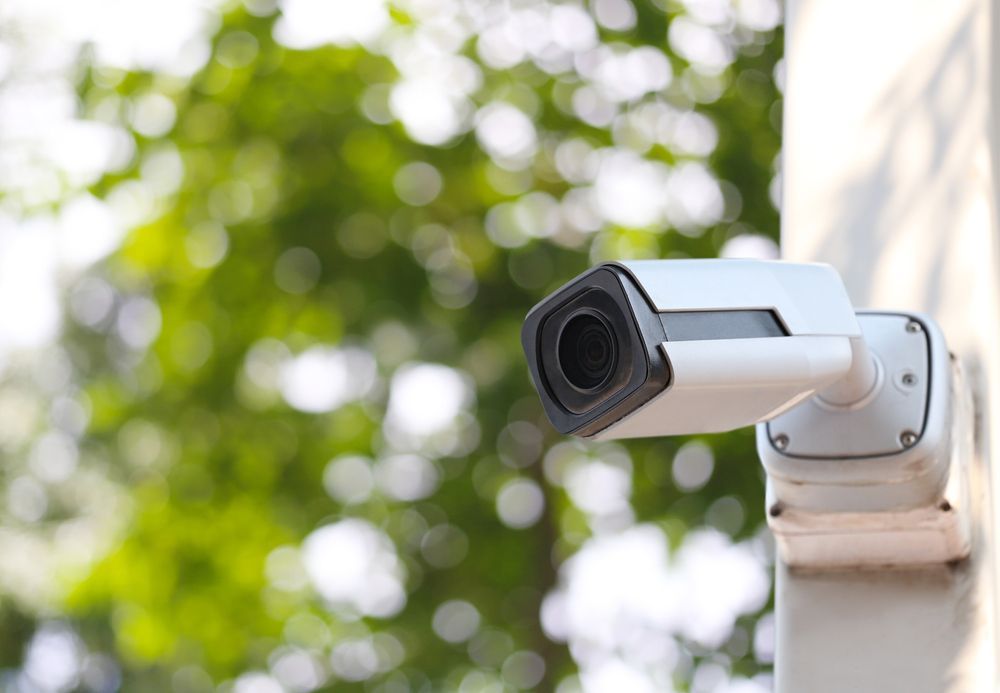
Cameras should be placed at key entry points like doors, driveways and side access areas, as well as any blind spots around the property. Positioning them at the right height and angle helps capture clear footage without obstruction.
Do security cameras work at night?
Most modern cameras include night vision or low-light capabilities, allowing them to capture footage in dark conditions. However, placement and surrounding lighting still affect how clear the footage is, so setup plays an important role.
Can I view my security cameras remotely?
Yes, many systems allow remote access through apps or connected devices. This lets you check live footage or recorded clips from your phone or computer, as long as the system is set up correctly and connected to your network.
Know What’s Happening Around Your Property
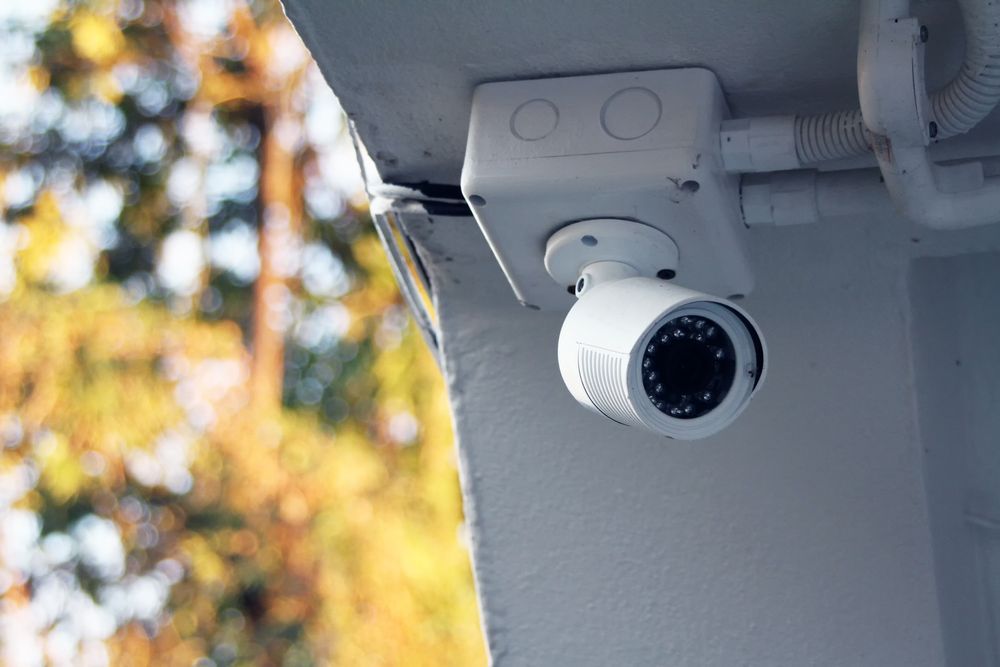
A camera system is only as good as what it captures. Poor angles, blocked views or gaps in coverage can make footage useless when you actually need it.
It’s also common to see systems installed without thinking about lighting, distance or how the space is used. That’s when you end up with grainy images, missed movement or areas that aren’t covered at all.
Getting it right means planning where each camera goes and how it works with the rest of the setup, so you’re not left guessing later.


