
Smoke Alarm Installation Brisbane
Speak to an Electrician Today
Thank you for contacting OHMY Electrical Contractors.
We will get back to you as soon as possible.
Oops, there was an error sending your message.
Please try again later.
We answer. We show up. We get it sorted.
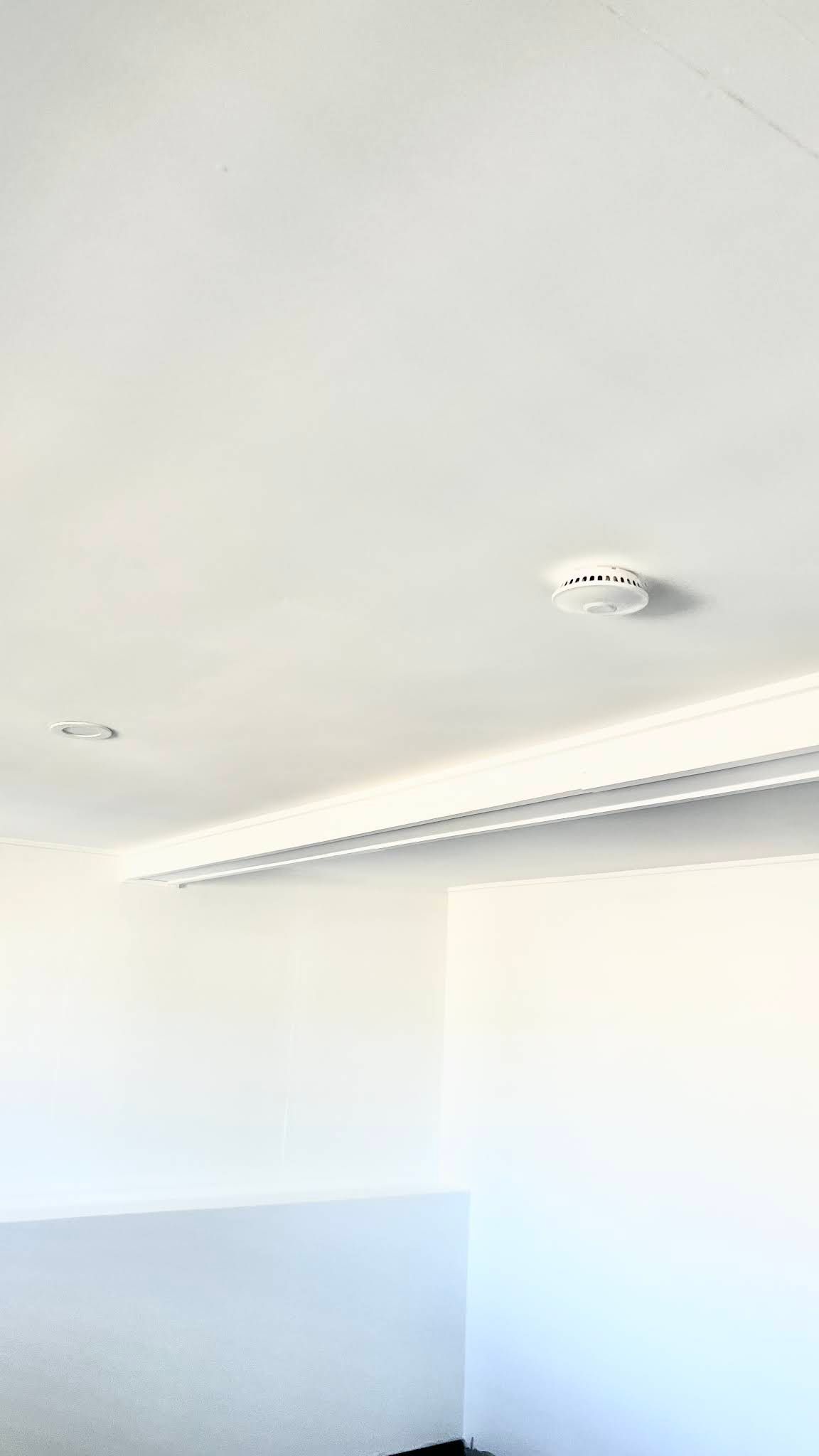
Get Your Smoke Alarm Installed Today
A lot of properties have smoke alarms installed, but that doesn’t mean they’re doing what they should. Older units, poor placement or alarms that aren’t connected properly can all reduce how effective they are. With Queensland's new smoke alarm laws taking full effect on 1 January 2027, every existing home will need interconnected photoelectric alarms – meaning if one detects smoke, every alarm in the property sounds together.
At OHMY Electrical Contractors, we install smoke alarm systems across Brisbane that are set up to meet current requirements and actually cover the areas they need to. That includes making sure alarms are positioned correctly and working together, not just ticking a box. Hardwired smoke alarms must be installed by a licensed electrician, so it pays to have the right people on the job.
If your alarms haven’t been checked in a while or you’re not sure they’re compliant before the 2027 deadline, it’s worth getting them looked at properly. Full details of the legislation are available on the Queensland Fire Department website.
Ready to organise your smoke alarm installation? Call us on 0434 095 354.
Frequently Asked Questions
Do I need to upgrade my smoke alarms in Queensland?
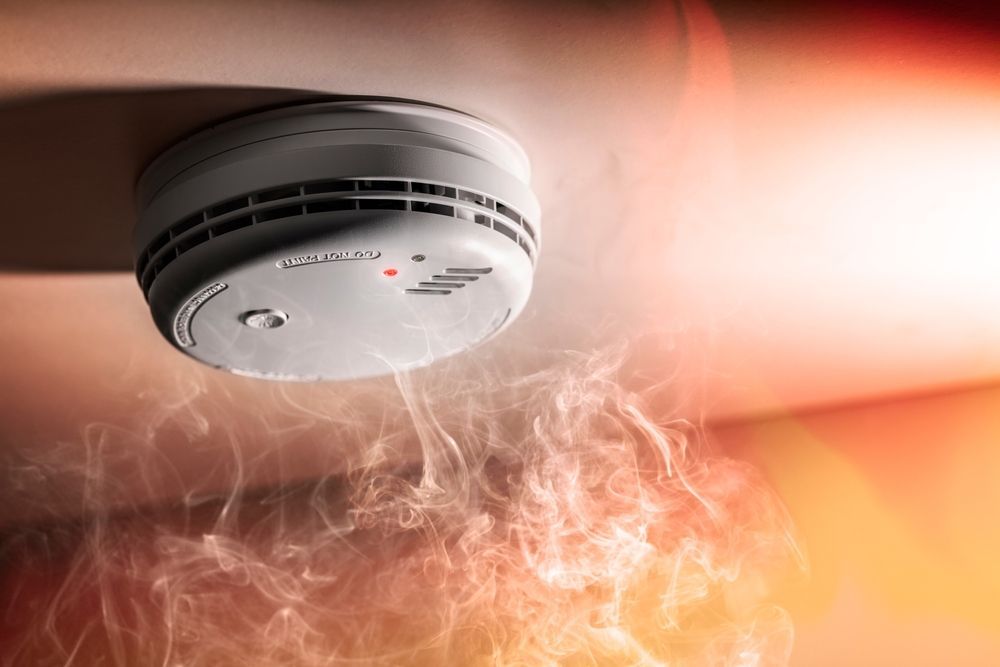
Yes, Queensland has specific legislation requiring photoelectric, interconnected smoke alarms in homes. This applies to new builds, major renovations and existing homes being sold or leased. Upgrading ensures your property meets legal requirements and improves safety for occupants.
Can I install smoke alarms myself?
While some battery-operated alarms can be installed by homeowners, interconnected or hardwired systems should be installed by a licensed electrician. This ensures correct wiring, placement and compliance with current safety standards, especially in properties that need to meet legislation.
Why do smoke alarms go off randomly?
False alarms can be caused by dust, insects, humidity or placement too close to kitchens and bathrooms. In some cases, ageing sensors can also trigger unnecessary alarms. Correct placement and using the right type of alarm helps reduce false activations while maintaining safety.
What Most Homes Get Wrong
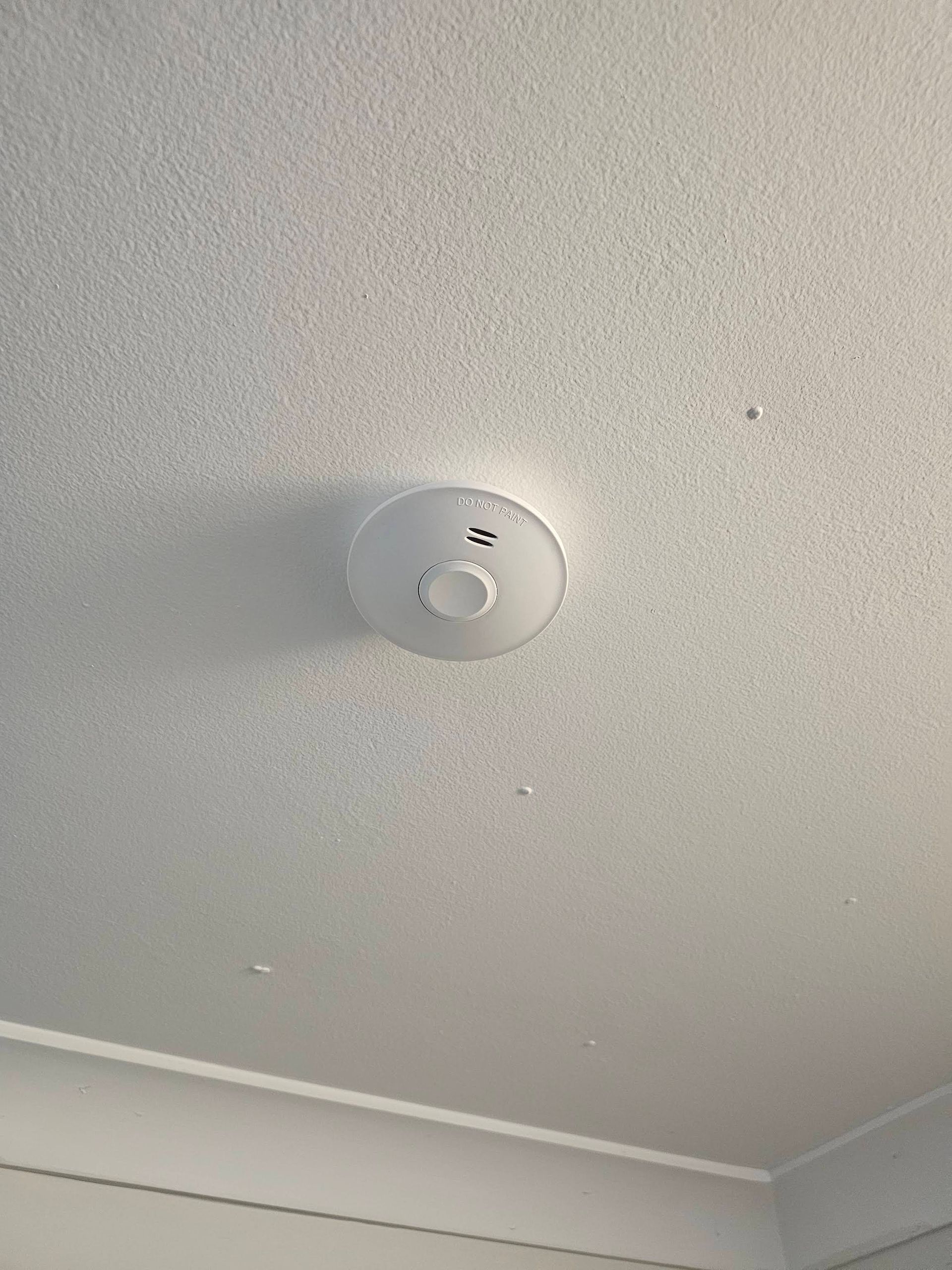
It’s common to see alarms installed in the wrong spots or not covering key areas like bedrooms and hallways. In some cases, they’re not interconnected, so if one goes off, the rest stay silent.
There are also plenty of older alarms still in use that don’t meet current standards or have simply aged out. Even if they still beep when tested, that doesn’t always mean they’ll respond properly in real conditions.
Getting everything checked and set up correctly means the system works as a whole, not just as individual units.


